
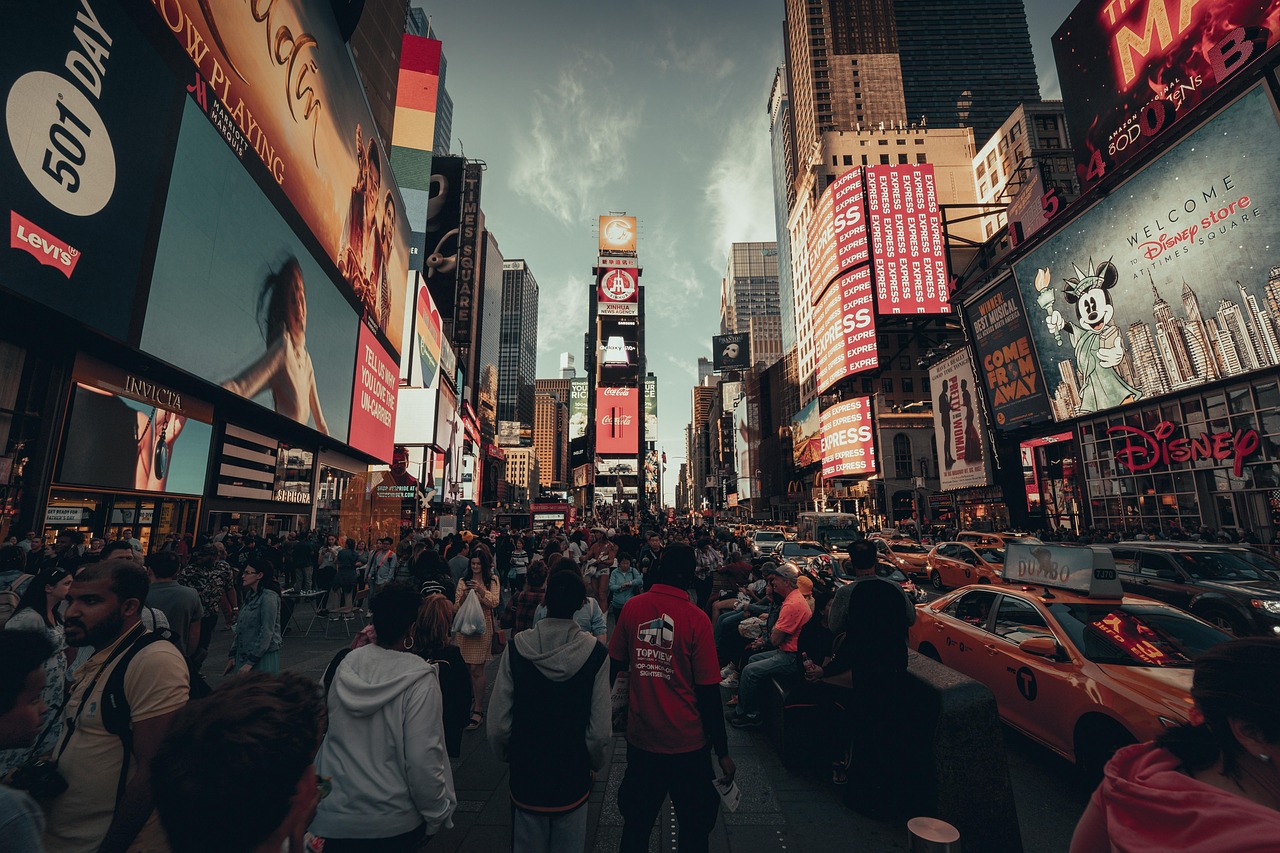
The Evolution of Urban Aesthetics: A Deep Dive into NYC’s Cultural Trends
Explore the Evolution of Urban Aesthetics: Uncovering NYC’s Cultural Trends and Their Impact on Modern Urban Design and Lifestyle in This Comprehensive Analysis of The Evolution of Urban Aesthetics in NYC
Explore “The Evolution of Urban Aesthetics” in NYC, where cultural trends shape the city’s vibrant identity. This deep dive uncovers how art, architecture, and community influence urban landscapes. Discover the unique blend of history and modernity that defines NYC’s aesthetics, making it a must-see destination for art enthusiasts and culture seekers alike.
The Evolution of Urban Aesthetics: A Deep Dive into NYC’s Cultural Trends
New York City, a dynamic metropolis, stands as a living canvas reflecting its vibrant culture and rich history. The evolution of urban aesthetics in NYC is not merely a change in visual appeal; it’s a narrative of its diverse communities, artistic expression, and architectural innovation. Understanding this evolution provides insight into the city’s cultural trends and how they shape the experiences of residents and visitors alike.
The Historical Context of Urban Aesthetics
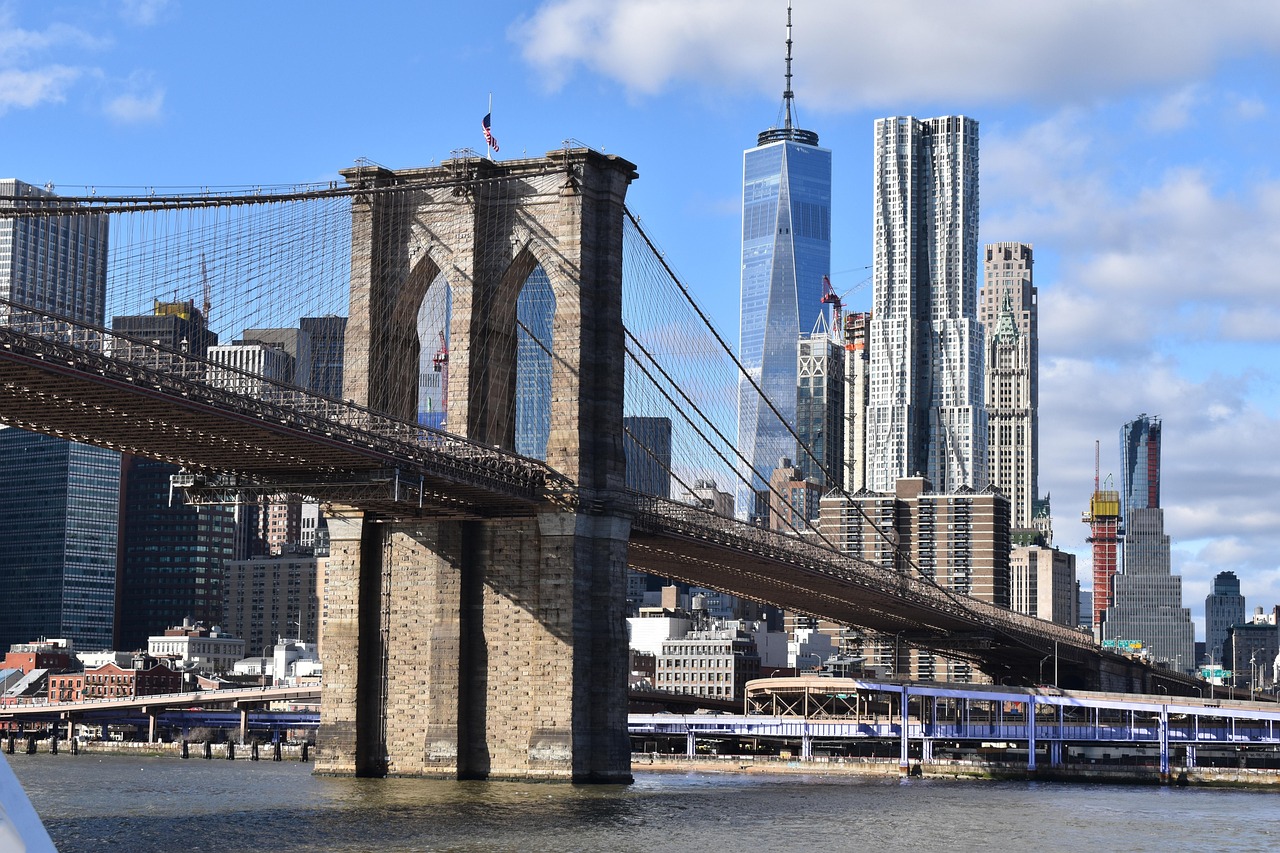
To grasp the evolution of urban aesthetics in NYC, we must first look back at its history. From the colonial architecture of the 17th century to the towering skyscrapers of the 21st century, each era has left an indelible mark on the city’s skyline. The industrial revolution brought about a shift in design philosophies, favoring functionality while also paving the way for artistic movements like Art Deco in the 1920s, which celebrated modernity and luxury.
Current Cultural Trends Shaping NYC’s Aesthetics
Today, the city is a melting pot of cultures, and this diversity is mirrored in its urban aesthetics. Some current trends that are redefining the look and feel of NYC include:
- Sustainable Architecture: Eco-friendly buildings are on the rise, with an emphasis on green roofs and energy-efficient designs.
- Street Art: Murals and graffiti have become celebrated forms of expression, transforming neglected spaces into vibrant art galleries.
- Public Spaces: The city is investing in parks and pedestrian-friendly areas, encouraging community interaction and outdoor activities.
- Repurposing Old Buildings: Historic structures are being updated for modern use, preserving the city’s heritage while accommodating contemporary needs.
Local Attractions Reflecting Urban Aesthetics
Exploring NYC’s urban aesthetics is best done through its many attractions. Here are some noteworthy venues and events that exemplify the city’s evolving cultural landscape:
- The High Line: This elevated park built on a former railway showcases stunning landscape architecture and public art installations, offering visitors a unique perspective of the city.
- Brooklyn Museum: Known for its vast collection of art, this museum also hosts contemporary exhibits that respond to current social and political issues.
- Smorgasburg: A weekly outdoor food market in Williamsburg, where local vendors serve diverse cuisines, reflecting the city’s multicultural identity.
- New York City Street Art Tours: These guided tours offer a closer look at the vibrant street art scene, showcasing works by both local and international artists.
- Open House New York: An annual event that gives the public access to typically closed buildings, allowing a peek into the architectural history and aesthetic evolution of the city.
The Role of Technology in Urban Aesthetics
Technology plays an increasingly significant role in shaping urban aesthetics. With the rise of digital art and augmented reality, public spaces are becoming interactive. Artists are leveraging technology to create immersive experiences that engage audiences and challenge traditional perceptions of art. This fusion of technology and aesthetics heralds a new era in how we perceive urban environments.
Community Engagement in Urban Design
Community involvement is crucial in the evolution of urban aesthetics. Local voices contribute to the design and development of public spaces, ensuring that these areas reflect the needs and desires of the community. Initiatives such as participatory budgeting allow residents to influence how city funds are allocated, fostering a sense of ownership and pride in their surroundings.
Conclusion: The Continuous Evolution of NYC’s Urban Aesthetics
The evolution of urban aesthetics in New York City is an ongoing journey, deeply intertwined with its cultural trends and community narratives. As the city continues to grow and change, its aesthetics will also evolve, reflecting the diverse experiences of its inhabitants. By exploring local attractions and engaging with the arts, we can appreciate the intricate tapestry that is NYC’s urban landscape.
Keywords: urban aesthetics, NYC cultural trends, evolution of urban design, New York City art scene, cityscape transformations, architectural styles, public space utilization, street art evolution, historical influences, gentrification impacts, urban renewal projects, cultural diversity in NYC, modernist architecture, community engagement, aesthetic experiences