


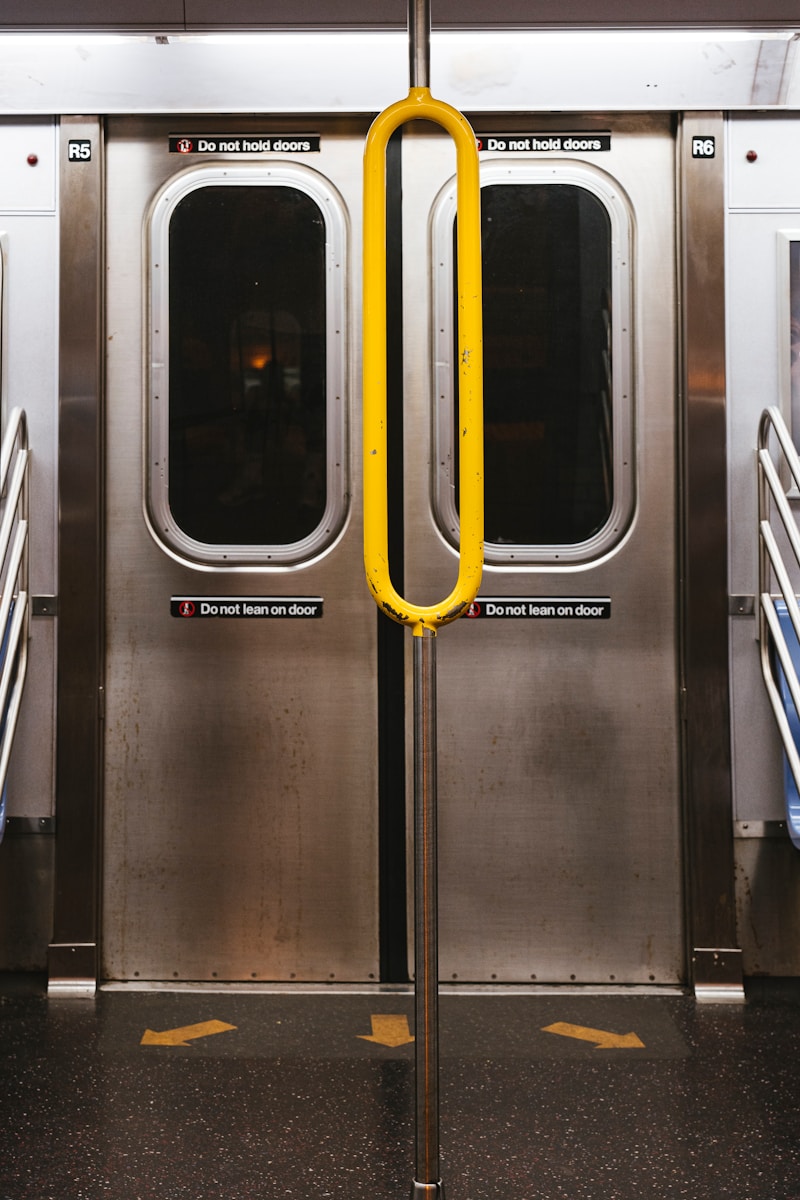
How NYC’s Metro Moves Are Influencing the City’s Urban Planning
How NYC’s Metro Moves Are Shaping Urban Planning: Exploring the Impact of NYC’s Metro Moves on Sustainable Development and Future City Design in New York City’s Evolving Urban Landscape
Discover how NYC’s metro moves are shaping the city’s urban planning landscape. As a vital component of transportation, NYC’s metro system influences residential development, green spaces, and accessibility. Explore the innovative strategies driving NYC’s growth and sustainability on our site, where urban design meets the future.
How NYC’s Metro Moves Are Influencing the City’s Urban Planning
New York City, a dynamic metropolis known for its iconic skyline and bustling streets, is undergoing transformative changes driven by the efficiency of its metro system. The NYC Metro plays a pivotal role in shaping urban planning strategies, as city officials and planners leverage its extensive transportation networks to promote sustainable growth. As the metro expands, the very fabric of urban development is being redefined, making it essential to understand these influences.
The Role of Metro in Urban Planning
Urban planning in NYC is increasingly intertwined with transportation efficiency. The metro system not only connects diverse neighborhoods but also fosters economic growth and community well-being. Key aspects of this relationship include:
- Residential Development: Areas near metro stations are experiencing a surge in residential projects, offering convenient commuting options.
- Green Spaces: The integration of parks and recreational areas alongside metro lines enhances community livability.
- Accessibility: Improved access to public transit promotes equity, allowing residents from all backgrounds to participate in the city’s vibrant life.
Metro Expansion and Its Impact
The ongoing expansion of the NYC Metro system is a critical factor in urban revitalization. New lines and stations not only reduce commute times but also encourage transit-oriented development. This approach focuses on building pedestrian-friendly neighborhoods that prioritize public transport, reducing reliance on cars. The benefits are profound:
- Enhanced mobility for residents, leading to less congestion.
- Increased property values around new metro stops.
- Opportunities for local businesses that thrive near transportation hubs.
Innovative Strategies Driving Sustainable Development
Urban planners in NYC are adopting innovative strategies to align metro services with city growth planning. By integrating land use with transportation planning, they aim to create a cohesive and sustainable urban environment. This forward-thinking approach includes:
- Smart Growth Initiatives: Focusing on compact, walkable communities that minimize environmental impact.
- Mixed-use Developments: Combining residential, commercial, and recreational spaces to foster vibrant communities.
- Green Infrastructure: Implementing eco-friendly practices that enhance urban aesthetics and ecological health.
The Future of Urban Mobility
As NYC continues to evolve, the influence of metro moves will remain a cornerstone of urban planning. The city’s commitment to enhancing its transportation networks ensures that NYC will adapt to changing commuting trends and population dynamics. This adaptability is crucial in maintaining the balance between growth and sustainability, making urban mobility a focal point of future developments.
Engaging Citizens in Urban Design
Public engagement is essential in shaping NYC’s transportation and urban planning landscapes. The city encourages residents to participate in discussions about transit improvements and urban design strategies. By fostering a dialogue between city planners and citizens, NYC can create solutions that reflect the needs and desires of its diverse population.
Conclusion
The intricate relationship between NYC’s metro moves and urban planning illustrates the significance of public transit in shaping sustainable cities. As the metro system evolves, so too will the strategies employed to enhance urban living. Understanding these dynamics is vital for anyone interested in the future of urban design and public transit development in the New York City area.
Keywords: NYC Metro moves, urban planning NYC, transportation influence NYC, public transit development, NYC infrastructure, city growth planning, sustainable transit solutions, Metro efficiency NYC, urban design strategies, NYC commuting trends, mobility and accessibility, Metro expansion impact, transit-oriented development, NYC transportation networks, urban revitalization NYC